Co-creating a Story of Change: Legacy and Impact Plan
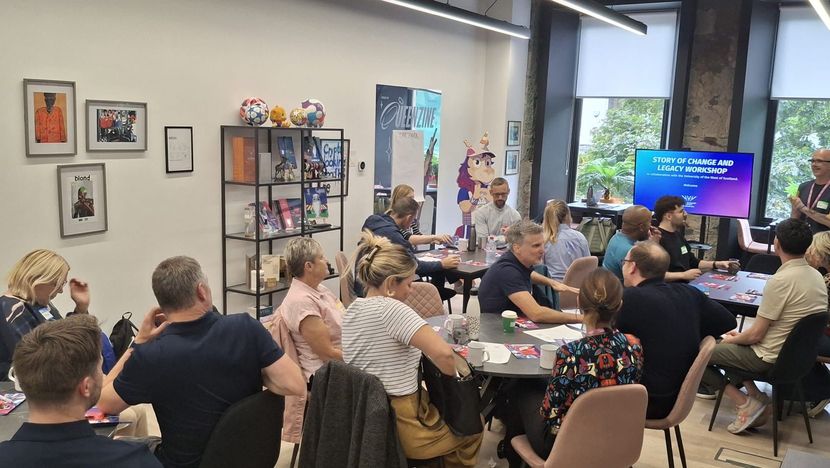
Nearly 120 people from across Glasgow, Scotland and the UK took part in Glasgow 2026 legacy workshops, to explore how next year’s Commonwealth Games could create a lasting impact for Glasgow far beyond the Games next summer.
Led by Alex Johnston the Organising Company’s Legacy Manager, Glasgow 2026 and the University of the West of Scotland hosted eight dynamic stakeholder workshops and brought together 56 different organisations from across Glasgow, Scotland and the UK, to explore how the Glasgow 2026 Commonwealth Games can leverage the Games to make change and leave a lasting legacy, by sharing ideas, building partnerships and co-creating a framework to create real impact in communities.
The "Five Commonwealth Wealths" in the context of Commonwealth Sport refers to the five key areas where sport generates benefits: sporting, cultural, diplomatic, economic, and social. These five areas are seen as interconnected pillars that, when leveraged, can foster a more prosperous, inclusive, and united Commonwealth.
Each workshop focused on a different ‘Common Wealth’ that defines the Glasgow 2026 Commonwealth Games legacy vision, with the aim to explore what each wealth means and what success looks like in each area.
Across eight workshops, several powerful themes emerged, with workshop participants discussing how we can make the Games and sport more accessible and inclusive; how local businesses can benefit from the Games in the City; and how Glasgow 2026 can build both interest and excitement across Glasgow to celebrate the Games and surrounding festival in the city.
Above all, there was a collective belief that the Five Wealth’s offer a transformative framework, not just for Glasgow 2026, but for how future Games can serve as platforms for equity, innovation and unity across the Commonwealth sport movement. Many of the participants will continue throughout the process in building a meaningful sporting legacy from the Games.
George Black CBE, Chair of Glasgow 2026 said:
“These workshops are a powerful reminder that next year’s Commonwealth Games are more than 10 days of competition"
"They are about the shared impact we build around Glasgow 2026 together. We want to shape legacy that celebrates the values of our communities in Glasgow and leaves lasting impact across Scotland. Co-creating with stakeholders and partners is fundamental, legacy is a collective act and it will require a team effort to ensure the benefits of hosting a major event continue long after the Games conclude.”
Professor Gayle McPherson, Director of the Centre for Culture, Sport and Events at the University of the West of Scotland said: “The workshops showed us the level of expertise that exists within and around the city, and the passion and ambition of sporting organisations, community groups, local businesses and athletes to leverage the Games to create an accessible, inclusive and sustainable Games Legacy.”
Alex Johnston, Glasgow 2026 Legacy Manager, said: “These workshops are providing the opportunity to bring together a broad range of stakeholders to have a chat about legacy planning and the story of change for Glasgow 2026. It’s a co-design process. What does that mean? It’s about bringing people together because we want to hear their voices to help us create the story of change. We’ve had so many great conversations and ideas and I am looking forward to seeing it all progress.”
Insights from these workshops will inform the Glasgow 2026 Legacy Plan, which will be announced later this year.
