Glasgow 2026 underlines bright future for Commonwealth Games as baton passes to Amdavad 2030
The Glasgow 2026 Commonwealth Games have showcased world-class sport, united 74 nations and territories, and demonstrated a bold new model for the future of major sporting events.
The Glasgow 2026 Commonwealth Games have showcased world-class sport, united 74 nations and territories, and demonstrated a bold new model for the future of major sporting events.
Over 11 days of competition, Glasgow provided the stage for established champions, breakthrough stars and historic achievements.
From the biggest integrated Para sport programme in Games history to Josh Kerr's stunning victory in the Men's One Mile, athletes delivered moments that will be remembered for years to come.
Commonwealth Sport President, Dr Donald Rukare, said: "Glasgow 2026 has exceeded our expectations. We have seen world-class competition, extraordinary athlete stories and the power of 74 nations and territories coming together through sport. These Games have shown that innovation, sustainability and athlete experience can go hand in hand."
South African swimmer, Chad le Clos became the most decorated athlete in Commonwealth Games history, taking his tally to 21 medals with three podium finishes in Glasgow.
The Commonwealth medal map was redrawn with Rwanda celebrating their first-ever medal and Dominica their maiden gold at the Games.
Scottish Para athlete Melanie Woods, who won two gold medals, was recognised for her outstanding performances, fair play and teamwork with the David Dixon Award.
Named after the man who served as Honorary Secretary of Commonwealth Sport for 17 years, the award was presented at the Closing Ceremony.
The Games marked a significant milestone for Commonwealth Sport's Games Reset framework. Delivered through a compact footprint and extensive use of existing world-class venues, Glasgow 2026 demonstrated a more flexible and sustainable approach to hosting major sporting events while maintaining a high-quality experience for athletes and fans.
Glasgow 2026 Chief Executive, Phil Batty OBE, said: "These are a Games that could have come quietly but that is not the Glasgow way. Through innovation and partnership, we have delivered a Games that is smart and sustainable and represents the heart and soul of its host city and nation."
Our legacy is a Games model that will evolve and flex with future hosts and the proof that major events can be done differently. Above all, these are Games that every nation of the Commonwealth can now believe they can host.
More than 630,000 fans engaged with the Games, through live sport in venues, live sites and the Glasgow 2026 Festival, exceeding pre-Games targets, with finals sessions sold out and arenas packed with fans cheering on the incredible athletes. [1]
Meanwhile, television viewing figures have reflected the worldwide reach and resonance of the Games.
Eight million Australians tuned in to Channel 7 to watch the opening weekend of action alone, while in the UK, Glasgow 2026 has been the most-watched sporting event since the launch of the HBO Max platform - excluding football.
The Games were a huge hit on social media, with nearly half a billion views generated on Games and Games Family channels. [2]
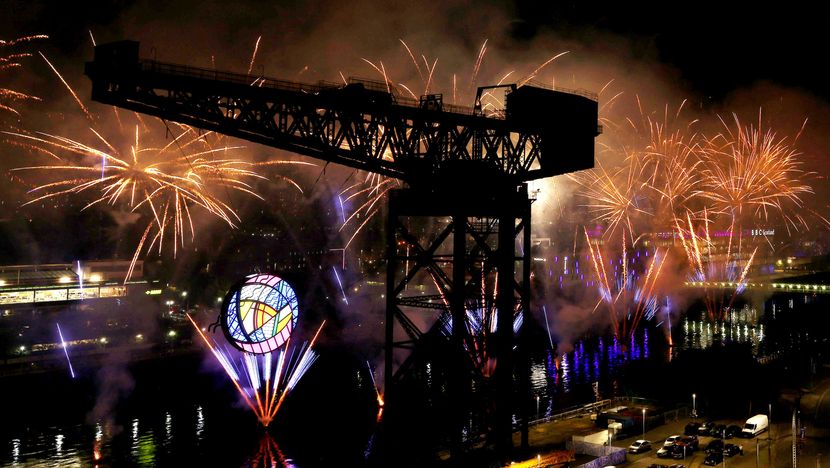
The Closing Ceremony marked the formal handover to Amdavad, where India will host the Centenary Commonwealth Games in 2030.
Building on the foundations established in Glasgow, Amdavad 2030 will become a landmark celebration of 100 years of Commonwealth Games history while embracing the principles of flexibility, sustainability and impact at the heart of the Games Reset.
As Glasgow 2026 draws to a close, Commonwealth Sport believes these Games will leave a lasting legacy not only through sporting achievements, but through a successful blueprint that can help future hosts deliver Commonwealth Games for decades to come.
[1] Number correct as of 01/08/2026. Final figures will be provided in full evaluation report released later this year.
[2] Number correct at 01/08/2026 – data drawn from Glasgow 2026, Commonwealth Sport and Games family channels
